
Visually Spectacular: Frieze New York

For art lovers, going to Frieze New York is comparable to an architecture enthusiast visiting La Segrada Familia in Barcelona. It’s a truly awe-inspiring experience. Over the years, Frieze has become known for showing some of the edgiest, boundary-pushing creators in the contemporary art world. There are also deep-pocketed collectors and wealthy art dealers in attendance scooping up pieces of art for absurd amounts of money. For the Art Issue, we made the trek to Randall’s Island to see all the artistic wonders on display.
The most fascinating aspect about Frieze is that in the midst of larger than life artists like Maurizio Cattelan, one can also admire fresh, young talent and astounding, obscure artists from all over the globe. There is no other way to describe it than a total sensory overload; albeit in a very good way.
The guide for our Frieze NY experience was Sorbonne-educated, Tam Gryn, a Venezuelan native currently residing in NYC. She’s a formidable art expert, and the founder of Culturadora, a curatorial platform inspiring the next generation of art supporters by showcasing emerging international artists. She’s also on the Board of Directors of the Kulturspace foundation in Berlin.
Of course, we would need to deliver a full thesis to describe everything we saw, but here are some of the most noteworthy highlights:
LOS CARPINTEROS – CUBA

As our guide Tam explained to us, “Contemporary art being made in Cuba during the latest stage of the Cuban Revolution is of extreme importance to this period in history. Contemporary Cuban artists such as Glenda Leon and Los Carpinteros are reflecting Cuban society in beautiful non-political forms within undeniable political context.”
“Contemporary Art being made in Cuba is of extreme importance to this period in History”
Los Carpinteros truly wowed us with their imaginative, large scale installations. The objects they choose to portray reflect items used in the daily lives of the Cuban people. As Tam eloquently explained, “Los Carpinteros capture the Cuban daily life in the light of ‘Useless versus Utilitarian.’ They use elements of art-making and architecture in their raw forms to reflect back to Cuban artisans and laborers.”
PETER HALLEY – NYC

Another piece that truly stood out above the rest was a striking geometric painting by NYC’s own, Peter Halley. As Tam explained, “Halley emerged in the East Village NYC art scene of the 1980’s; he creates textured geometric paintings in the fluorescent day-glo colors of that time.” His work is laid out in what he describes as “prisons” and “cells,” and these rectangular shapes and vertical bars translate “the intense urban NYC landscape and architecture of high rises and electromagnetic conduits into geometric abstraction.” She cleverly described Halley’s creations as the “Google Earth of the 1980’s.”
HENRIQUE FARIA GALLERY – NYC/BUENOS AIRES

We were uniquely intrigued by some of the smaller, expertly-curated booths on display. One of them was the Henrique Faria Gallery, located on NYC’s Upper East Side. The gallery’s owner was present, and his colorful demeanor was a direct reflection of the art he showcased in his booth.
An artist on display in Henrique’s gallery was Jesus “Bubu” Begron, a Puerto Rican artist whose work is “characterized by minimal inventions and the re-contextualization of everyday objects.” One of Negron’s standout pieces was an Afro-Caribbean mask with enchanting features.
JESUS SOTO – VENEZUELA

Energy and movement are the most striking elements to Jesus Soto’s work. He is one of the key artists to emerge from Venezuela, and he’s noted as a defining figure of Optical and Kinetic Art – two movements that galleries are particularly interested in at the moment. Soto presents his paintings and sculptures through manipulation of hurried color combinations. His work at Frieze was pure abstraction, each piece almost always attaining a point where it becomes melded into a mirage, akin to mental tension.
INSTITUTO DE VISION GALLERY – BOGOTA

Frieze has a strong focus on young, contemporary galleries. Every year, they award the Frieze Stand Prize to a gallery with “museum-quality presentation.” This year, the prize went to Instituto De Vision for its visually striking mix. The gallery displayed a group commentary of sculptures, paintings, and installations addressing the pressure that tropical regions face from historically being viewed as places of leisure and desire.
ALL THE EXTRAS:
Other things worth mentioning were the obligatory sightings of works by contemporary art giants like Yayoi Kusama and Damien Hirst. We were also intrigued by the wide-reaching work of American polymath, Michelle Grabner. She’s a curator, autodidact and accomplished artist. Her work uses a variety of mediums to create twisted paintings and sculptures of fabrics and textiles, as commentary on the traditional feminine role of society. Grabner is perhaps, best known for being selected to curate the Whitney Biennial in 2014, one of the highest honors within the art world. Not surprisingly, all her art was already sold out on the first night of the fair.
Another sighting that piqued our interest was the Soylent booth which featured guys dressed in workwear overalls handing out free bottles of the famed meal replacement beverage. Somehow in the midst of all the quirkiness on display, this unorthodox installation merged seamlessly with everything else.
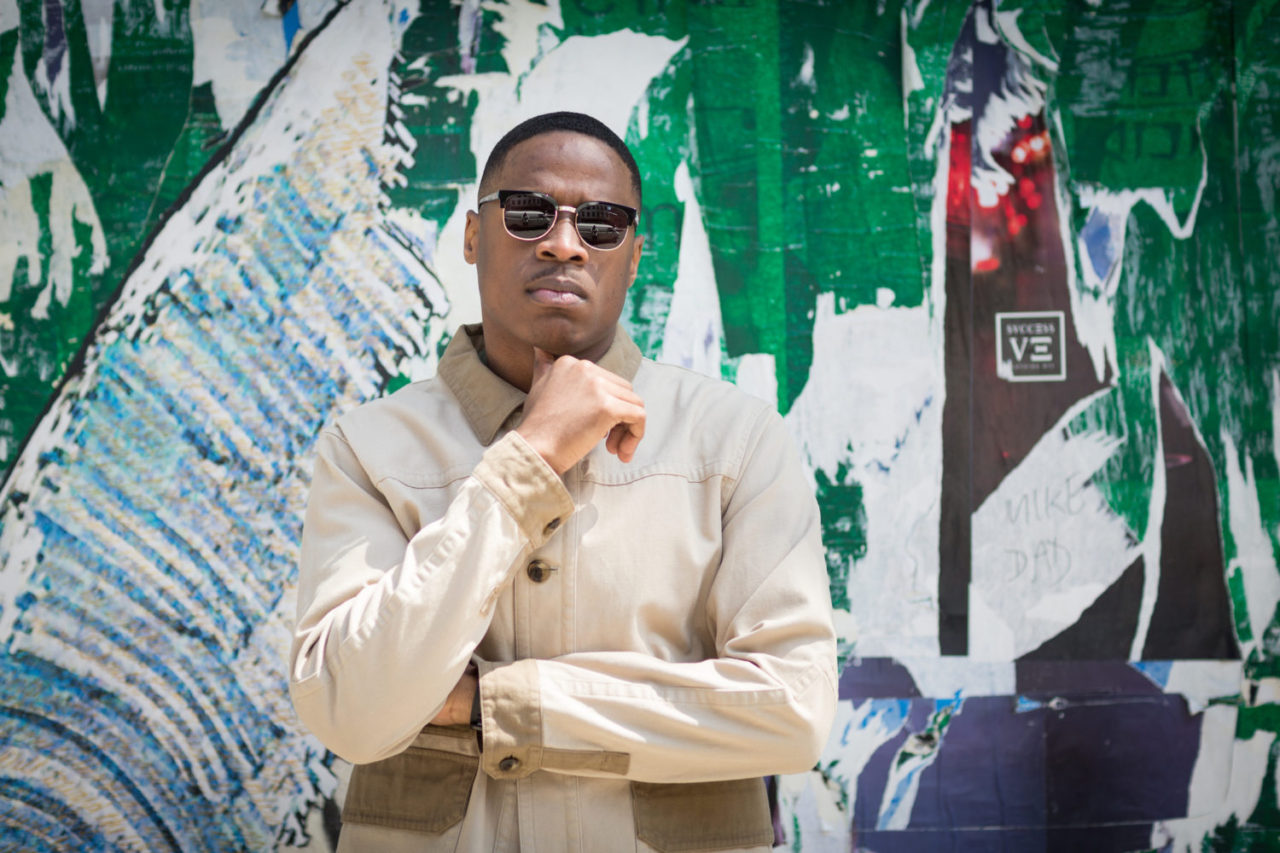
We also witnessed cool fashion looks sported by the curators, gallery owners and fair attendees. Of course, being a fashion brand, we had to capture shots of that too.
If you’ve never been to Frieze, we highly suggest that you check it out the next time it comes around. Visual satisfaction and immense, artistic inspiration are absolutely guaranteed!


For more about Frieze New York, click here. For more about Culturadora, click here.
Written by: Geo Hagan