

Iconic Brands And How They Got Their Start: Gucci, Patagonia & More
The 21st century finds us in a time of self-proclaimed status, making it hard to distinguish between self-appointed reverence and the real thing. We decided to take a look at a handful of brands we consider quite influential. This little list is by no means the end-all-be-all on fashion icons, but the selections are making moves and shaking things up. Here’s a quick peek at the beginnings of their respective journeys.
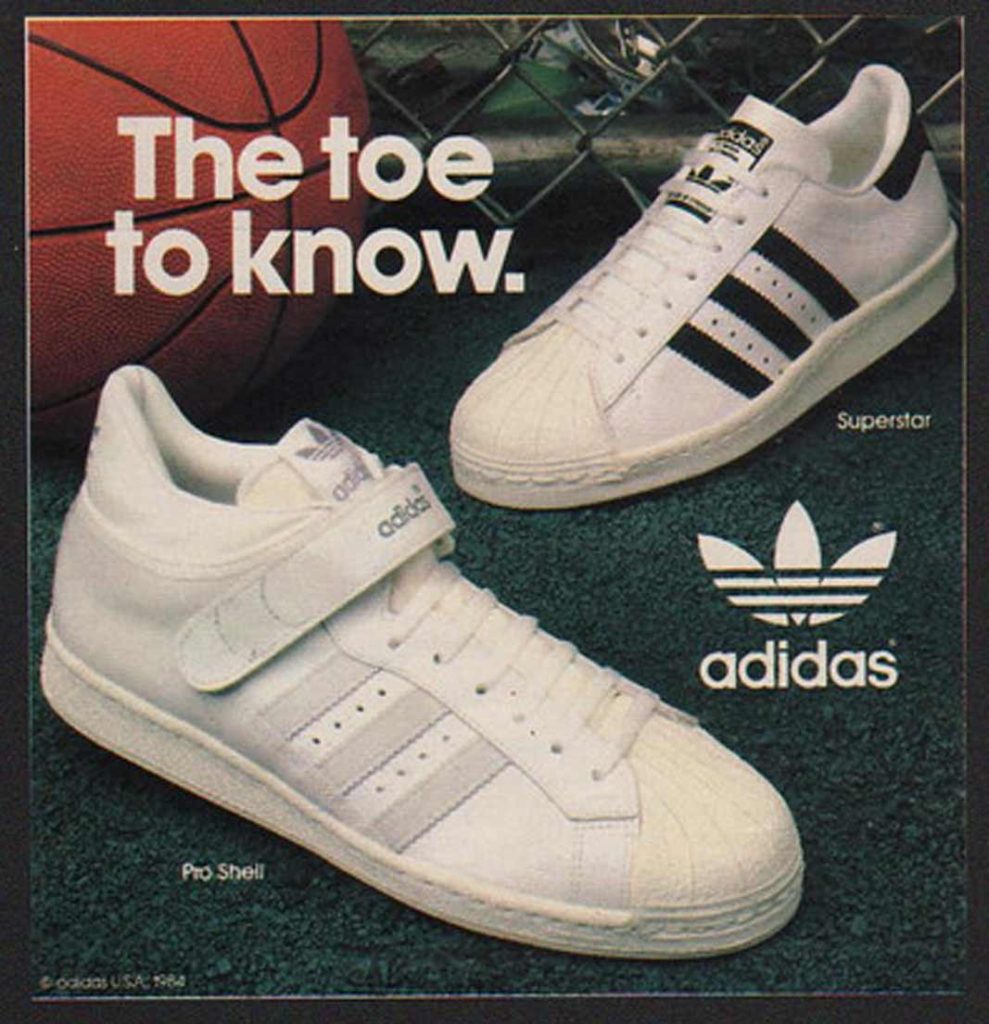
ADIDAS
Ze Germans knew just what they were doing when they created ‘Die Marke Mit Den 3 Streifen;’ Adidas. The Brand With the 3 Stripes! Well, one German in particular. Adolf ‘Adi’ Dassler kicked things off in the town of Herzogenaurach, in 1949 after a falling out with his brother, the owner of eventual rival Puma. Since then Adidas has kitted athletes in just about every competitive arena, from Cricket and Archery to Skateboarding and Kabaddi (look it up). It’s a selection from Adidas’ Soccer line. However, that happens to be arguably one of modern Leisure’s most prominent influences. With the not-so-sweat-like, tapered silhouette, it’s no wonder the sensible athletic pant has been subtly mimicked by many a jogger over the last few years. A shining example of Adidas’ Style Maker mentality came in the form of their infamous partnership with hip-hop artists Run DMC. Adidas essentially allowed a culture to create its own unique look, moving away from the borrowed fashions of various other subcultures. During the 80’s and 90’s The Shell Toes eventually accompanied the infamous tracksuits to become a staple among various music communities from, b-boys/girls to euro electro DJ’s. Although the brand has kept with the times and continues to produce fashionable, performance sneakers it should be noted that the timeless classics (Stan, Rod, Gazelle, Superstar) keep coming back, even offerings from the highly influential Adidas Skateboarding line borrow from some of their earlier indoor-soccer heavy hitters.

CALVIN KLEIN
From humble beginnings as a fashion sketcher, and copyboy at WWD, Calvin Klein got its start in the late 60s as Calvin Klein Limited, a tiny little coat shop in the York Hotel. Klein’s first line consisted mainly of dresses and men’s coats which brought a youthful zeal to the world of sophisticated fashion. With a Vogue cover in ’69 and a Coty Award in ’73, Klein was making quite a name for himself. In the mid 70’s, he spearheaded the designer denim craze with the introduction of his CK Jeans line, featuring the Calvin Klein pocket insignia. The 80’s saw the development of the CK boxer brief with the help of designer John Varvatos, by cutting off the legs of traditional long johns. Another simple innovation came in the form of a screen-printed logo t-shirt, meant as a gift to Klein from his assistant, but instead wound up with production, samples; two simple innovations that proved to be major successes. It may be Klein’s never-satisfied attitude, and fresh, innovative design ideas that have kept the brand respected as an icon among the youthful for so long, with a resurgence of popularity in the recent years.
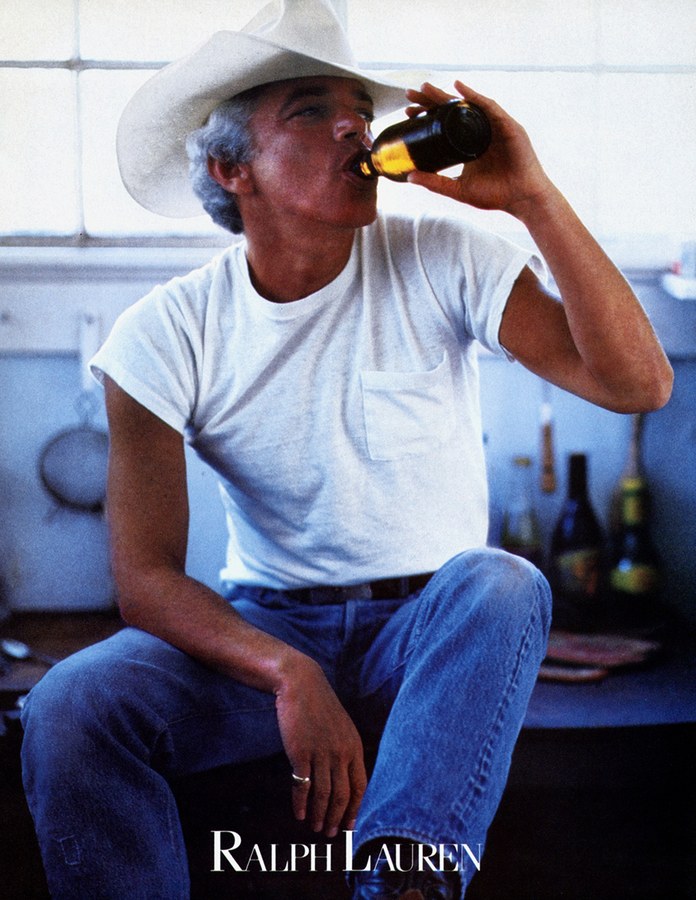
RALPH LAUREN
The Bronx, stand up! The son of Jewish immigrants, Lauren got his start in fashion with a job at Brooks Brothers. By the late 60’s, he had begun designing his own line of neckties. It wasn’t until a few years later in 1972 that the famed Polo T-Shirt was born, adorned with that little man riding his horse. The Polo Tee was available in 24 colors, with the collared ‘Polo Shirt’ following closely behind. Pulling influence from a range of sources such as American Ivy League schools, and the ever-identifiable classic rugby jerseys, Lauren molded his little necktie business into a long-running staple in American fashion, leaving the wearer with that ‘coolest guy at the club’ feel. The 80’s and 90’s saw the formation of far-reaching ties into the world of Hip-Hop. Kanye even went so far as to give the Polo a supplemental media boost with his fondness of their ‘Polo Bear’ Line, earning Polo, and Ralph Lauren a place in the hearts of the world as an iconic, spot-on representation of Americana through fashion.

GUCCI
Gucci’s roots go waaay back. Like 1906 way back. Guccio Gucci started his Leather Saddelry under the name, “House of Gucci,” originally selling saddlebags and fine leather luggage to well-to-do horsemen until the opening of the first retail store in the late 1930’s. The iconic bamboo-handled Gucci bag made its debut in 1947, followed shortly thereafter by the famed striped webbing, and leather/ horse bit combo on the ICONIC loafers and moccasins. The latter two being taken straight from the equestrian influences of the early saddlery days. After Guccio’s death in 1953, the Gucci family continued to honor and GROW his legacy by opening boutiques in the worlds fashion hotbeds. The international expansion, accompanied by the family’s adherence to Gucci’s sensible aesthetic and dedication to quality leather craftsmanship, set the foundation for the brand’s image as one of Fashion’s most chic powerhouses. After a few relatively quiet years, the 90’s saw the acquisition of Tom Ford as lead designer, which rejuvenated Gucci’s operation and cemented their position as haute figurehead.
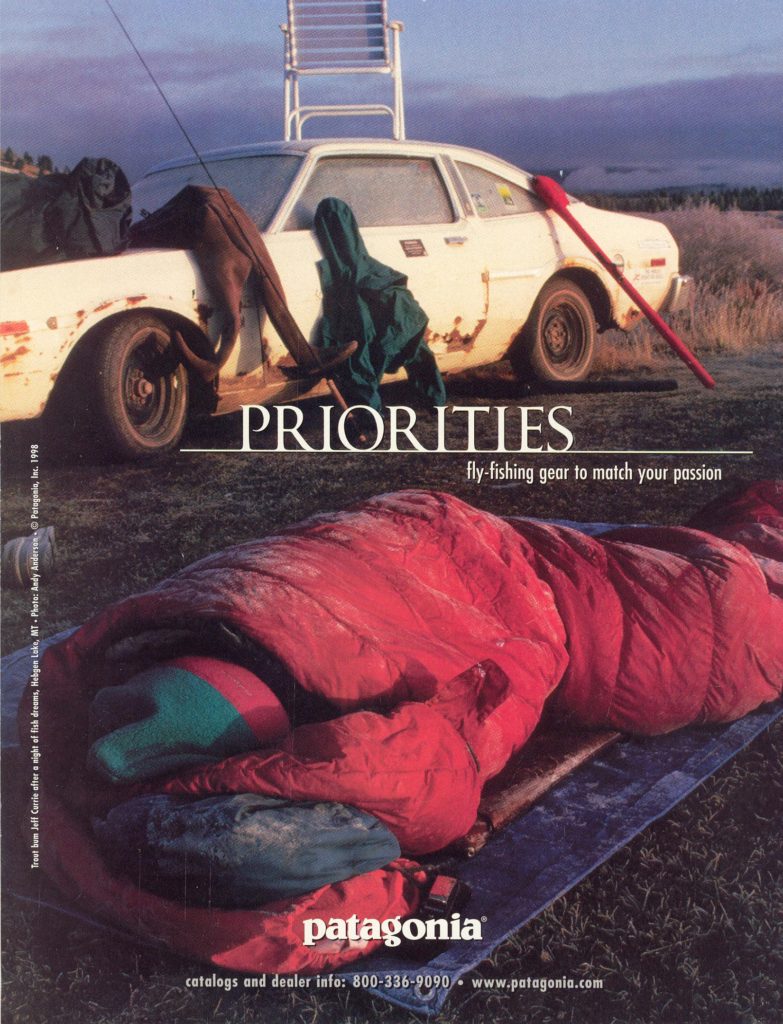
PATAGONIA
During the 60’s and early 70’s, the world of climbing and outdoor recreational activities lived with an all-too-serious fashion sense which just didn’t entirely represent the true nature of the activities the apparel catered. Yvon Chouinard set out to change that with the conception of Patagonia. Chouinard initially began making Pitons, and Bivy sacks under the name Chouinard, until 1973 when he started selling old rugby style shirts he’d picked up in Scottland. The fresh new fashion was not only intriguing but also functionally superior to what was worn at the time. After a run-in with a lowbrow production outfit in the 80s, Patagonia revamped its manufacturing standards, sourcing only organic cotton, in an attempt to lessen the detrimental ecological effect of harvesting cotton. The latter half of the 80’s, and early 90s saw an introduction of wacky styles, and fabric combinations that would forever change the world of outdoor apparel, both technically and aesthetically, making it universally acceptable. Their minimalist silhouettes, modern Nano/Micro puff technology, and dedication to environmental respect/responsibility make it easy to understand why New Yorkers are so quick to adopt an all black ‘Patagucci’ puffer as a part of the seemingly citywide ‘uniform.’
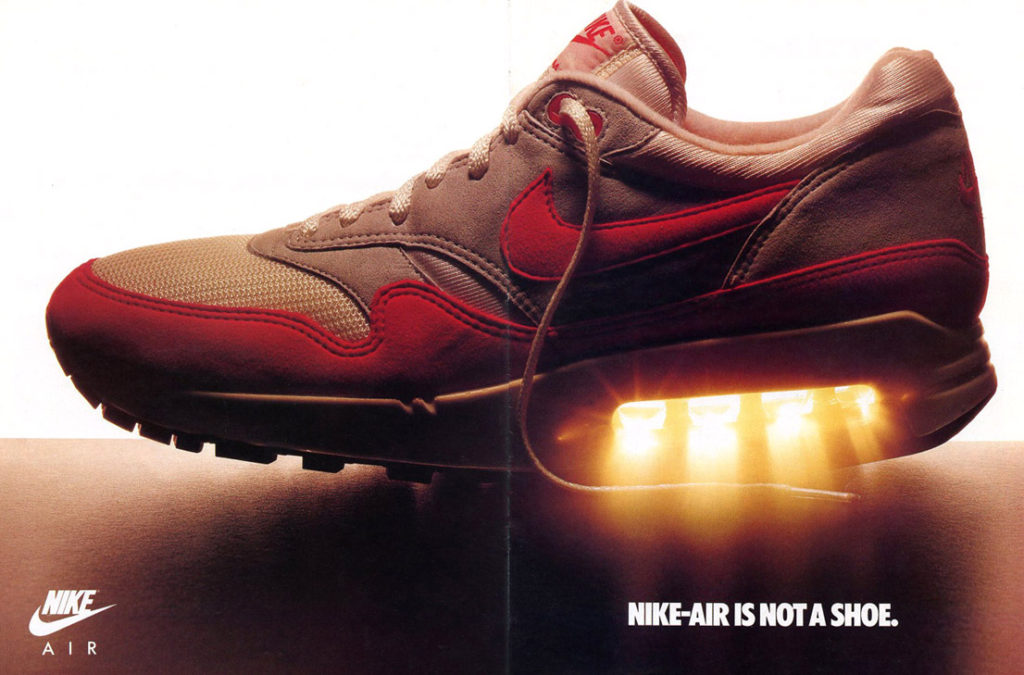
NIKE
Whether it’s cranking out experimental running shoes, contemporary collaborations, or quintessential American sneakers, Nike has been setting the standard of the industry’s benchmark for decades, while defining their own sort of status quo with long-running ‘series’ like the Air Max, and Air Jordan families. Founded by Oregon Ducks Track Coach Phil Knight in 1964 with the help of various athletes, Nike was initially, predominantly concerned with function and new techniques for the advancement of athletes and their performance. With the help of Knight’s guinea pig turned designer Tinker Hatfield, the brand maintained their athlete-centric focus while designing boundary-pushing footwear geared towards working with and for the wearer, with many of the more iconic shoes from the 80’s and 90’s still making waves today as retro re-runs, along with classic re-sells. Nike combined an artful element of design, a thirst for technological uniqueness, to build a lasting legacy reaching a crowd of devout followers from professional athletes to recreational; from the gym-goths to the sneakerheads the world over. Face it, Nike has transcended the tracks, the courts, and the streets, and been represented and respected in just about every avenue of fashion.
Words by: Gerard Barwell
Follow Gerard on IG here.
If you liked this story, check out more in our Urban Transplants issue.